







EconomyUnited Kingdom
UK inflation rises to 3.6% as fuel costs climb
UK inflation rose to 3.6% in October, its highest in a year, as fuel and energy costs climbed. Households face another rise in energy bills from January, adding to pressure on family budgets.
The Office for National Statistics, the official statistics body, said the consumer prices index, the main measure of inflation, rose from 3.5% in September. The rate matched what City economists had expected.
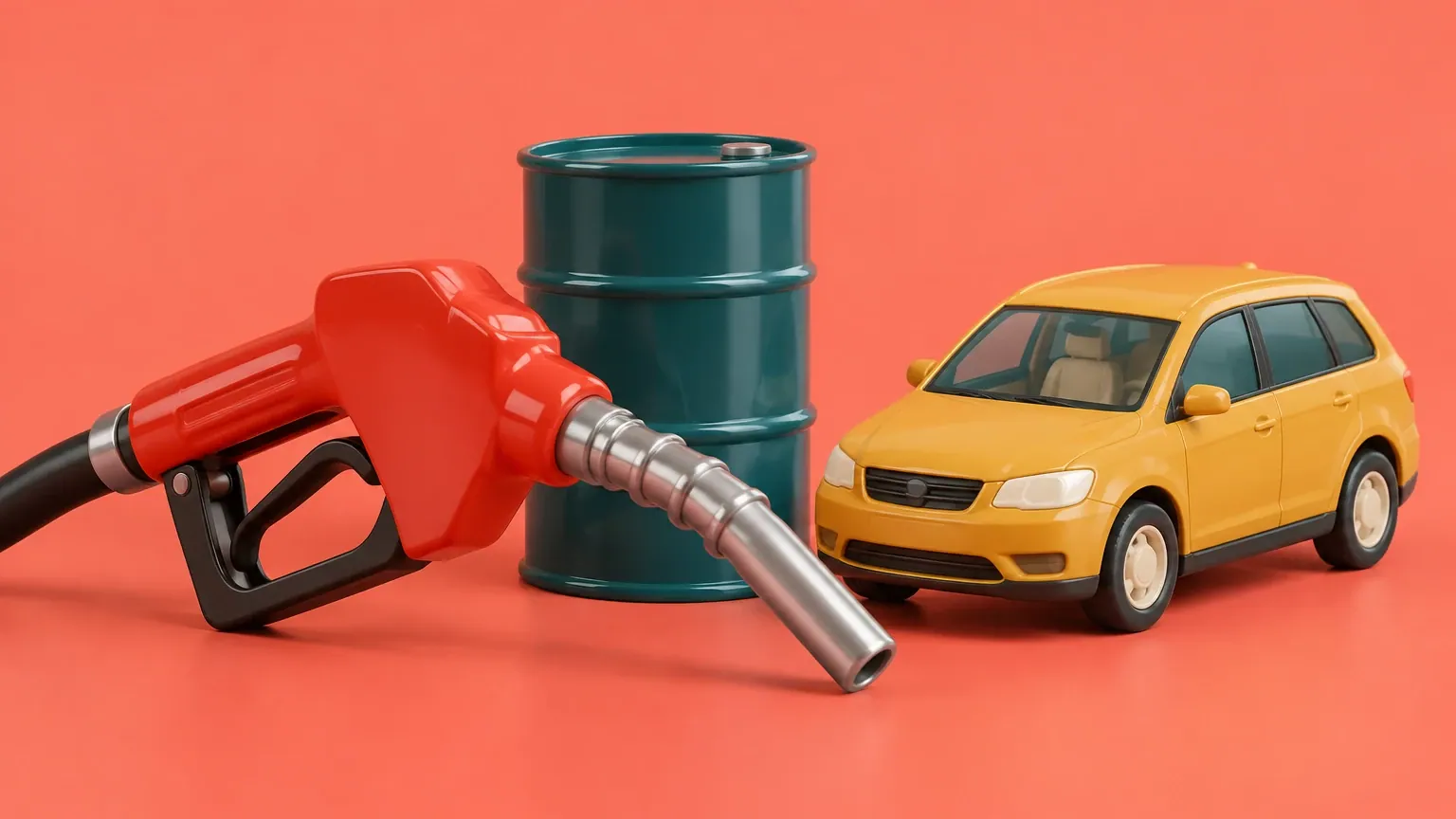
Petrol and diesel drove the increase, and diesel reached a record high as the war in the Middle East pushed up oil costs. Food price inflation, however, fell to its lowest in nearly five years, as chocolate and butter prices dropped.
Cornwall Insight, a leading energy forecaster, expects the government's energy price cap to rise about 26% early next year, one of the biggest quarterly increases on record. That would add £443 to the average yearly gas and electricity bill, taking the typical figure to £2,166. Price comparison site uSwitch says some fixed tariffs work out up to £407 below the estimated cap.
The Bank of England's rate-setting committee raised Bank Rate, its main interest rate, two weeks before this release, to curb how far energy costs feed into other prices. The January rise puts more pressure on Prime Minister Andy Burnham's government to support hard-hit households.
GuideEconomic calendar: the data and decisions coming up
- Where
- United Kingdom
- Published
- Updated
- Section
- Economy
This article is not investment advice. It was written by our automated newsroom from published reports and official statements, using only the facts in them, and not read by a person before it was published. Report a mistake